When you're faced with the choice between sod installation and seed for your lawn, it's crucial to weigh your options carefully.
Each method has its own set of advantages and drawbacks that can greatly impact your lawn's appearance and maintenance. Do you need instant results, or are you willing to wait for grass to grow?
Understanding the nuances of both can help you make an informed decision that suits your needs. Let's explore further.
When deciding between sod and seed for your lawn, understanding the key differences can help you make the right choice. Sod offers instant coverage and reduces erosion, while seed requires time and patience to grow.
You'll find sod more expensive upfront, but it saves you time and effort. On the other hand, seed is cheaper but demands consistent watering and care. Additionally, sod can thrive in various weather conditions, whereas seed might struggle in extreme temperatures.
Ultimately, consider your budget, timeline, and lawn goals to determine which option best suits your needs for a lush, healthy yard.
Choosing sod over seed can be a game-changer if you want an instant lawn. With sod, you get a fully established grass that instantly transforms your yard into a lush, green space.
You won't have to wait weeks or even months for seeds to germinate and grow. Plus, sod helps prevent erosion and weeds while providing immediate cover.
Installation is quick, allowing you to enjoy your outdoor area sooner. If you're hosting an event or simply want to boost your home's curb appeal, sod offers the instant gratification you need. It's a practical choice for a beautiful lawn right away.
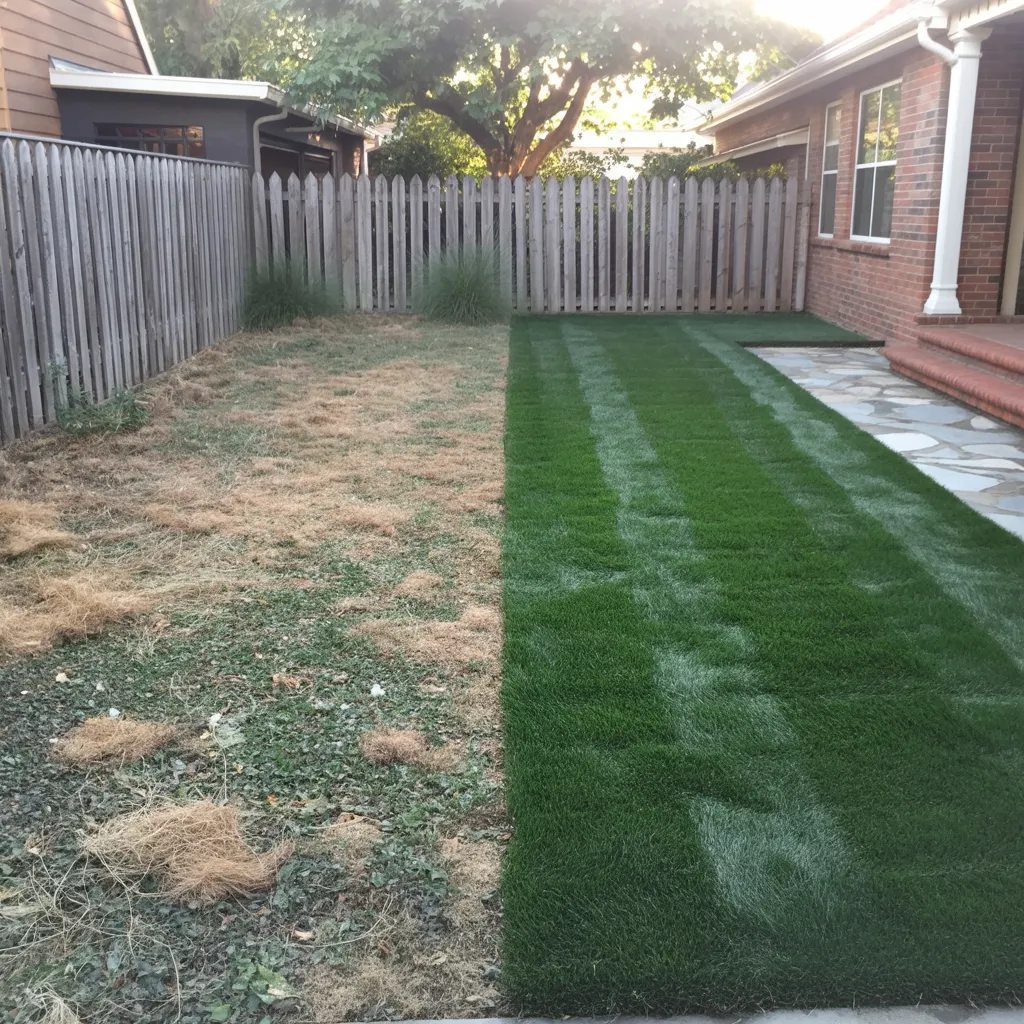
If you're working with a tight budget, considering grass seed can be a smart choice for establishing your lawn. Grass seed is generally much cheaper than sod, allowing you to cover larger areas without breaking the bank.
Plus, you can choose from various seed types that suit your climate and soil conditions, ensuring a healthy lawn. While it may require more time and effort initially, the cost savings can be significant.
Just remember to factor in the expenses for soil preparation and maintenance. Overall, opting for grass seed can be a budget-friendly way to achieve a lush, green lawn.
How quickly can you expect to see results after planting grass seed? Generally, you'll see initial growth within 7 to 14 days, depending on the grass type and environmental conditions.
You'll notice tiny green shoots emerging, signaling that your seed is germinating. However, achieving a lush, fully established lawn can take anywhere from 4 to 12 weeks. Factors like soil quality, weather, and watering consistency play vital roles in this timeline.
Patience is key; make certain you're providing proper care during this period to promote healthy growth and avoid setbacks. Soon enough, you'll enjoy a vibrant, green lawn.
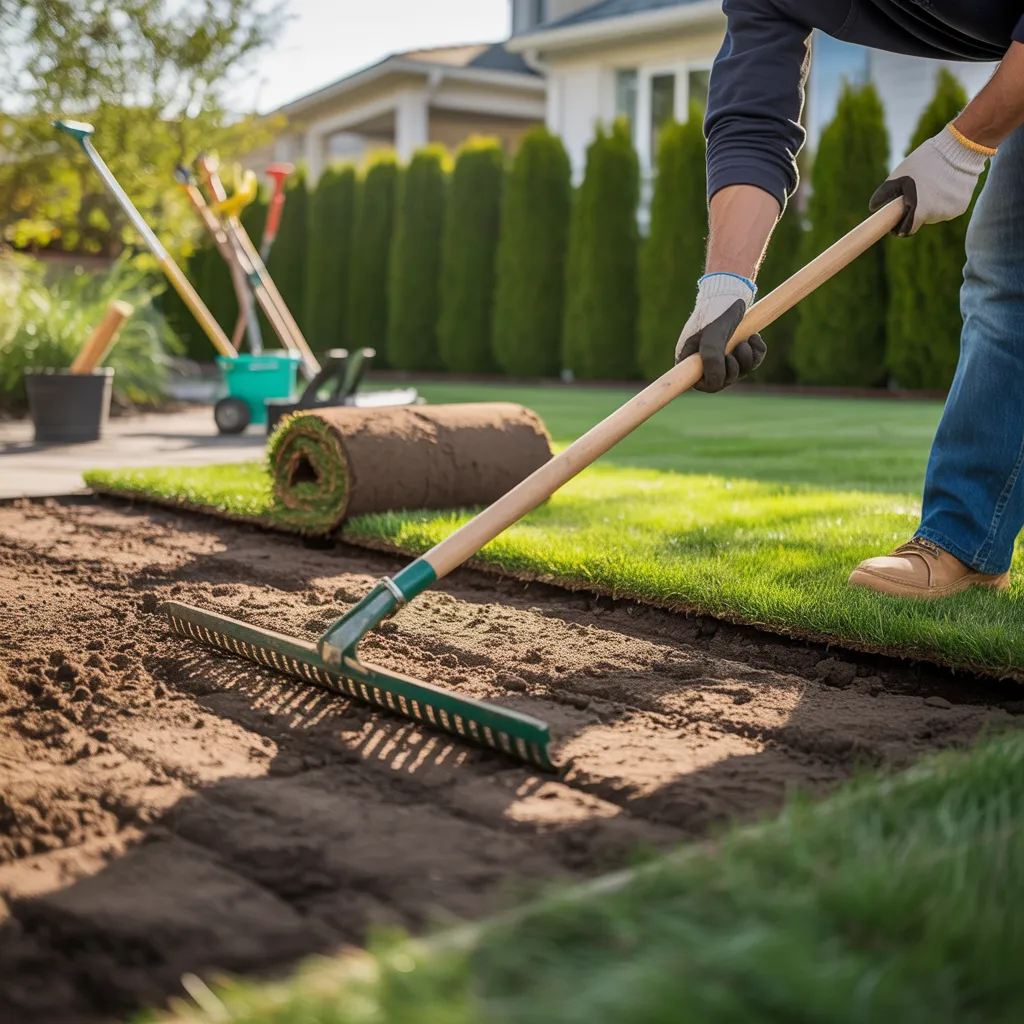
When it comes to budgeting for your lawn, understanding the cost differences between sod installation and seeding can help you make an informed decision. Generally, sod is more expensive upfront, with costs ranging from $1 to $2 per square foot, including installation.
In contrast, seeding is more budget-friendly, usually costing around $0.10 to $0.30 per square foot. However, remember that seeding may require additional expenses for fertilizers and maintenance.
While sod gives you instant results, seeding takes longer to establish. Weigh these costs against your budget to choose the best option for your lawn without breaking the bank.
Choosing the right method for your lawn conditions depends on factors like soil type, sun exposure, and climate. If you've sandy or loamy soil, seed might establish well, but heavy clay often needs sod for quicker results.
For sunny areas, both methods work, but shade can pose challenges for seed, making sod a better choice. In cooler climates, seed germinates slower, while sod provides instant coverage. Additionally, if you're short on time or want immediate results, sod's your best bet.
Evaluate these factors to determine which method suits your lawn's unique environment best and helps you achieve a lush, green space.
You'll need a few essential tools for sod installation. Grab a sharp spade or sod cutter to remove old grass. A rake helps level the soil, while a shovel's great for digging. Don't forget a roller to press the sod down and guarantee good contact with the soil. A garden hose or sprinkler can help with watering right after installation. Finally, wear gloves for protection while working.
After sod installation, you�ll need to water it daily for the first couple of weeks to establish strong roots. Keep an eye on the moisture level; the soil should stay damp but not soggy. Mowing can begin once the grass reaches about three inches in height, usually within a few weeks. Fertilizing is recommended about four to six weeks post-installation to promote growth. Also, avoid heavy foot traffic until your new lawn is well-established.
Yes, you can install sod on a sloped yard, but it requires careful planning. Start by preparing the soil and guaranteeing proper drainage to prevent erosion. You might want to install landscape fabric and use stakes or pins to keep the sod in place. Water the sod thoroughly after installation and monitor it regularly to guarantee it establishes well. With the right approach, your sloped yard can thrive with beautiful sod.